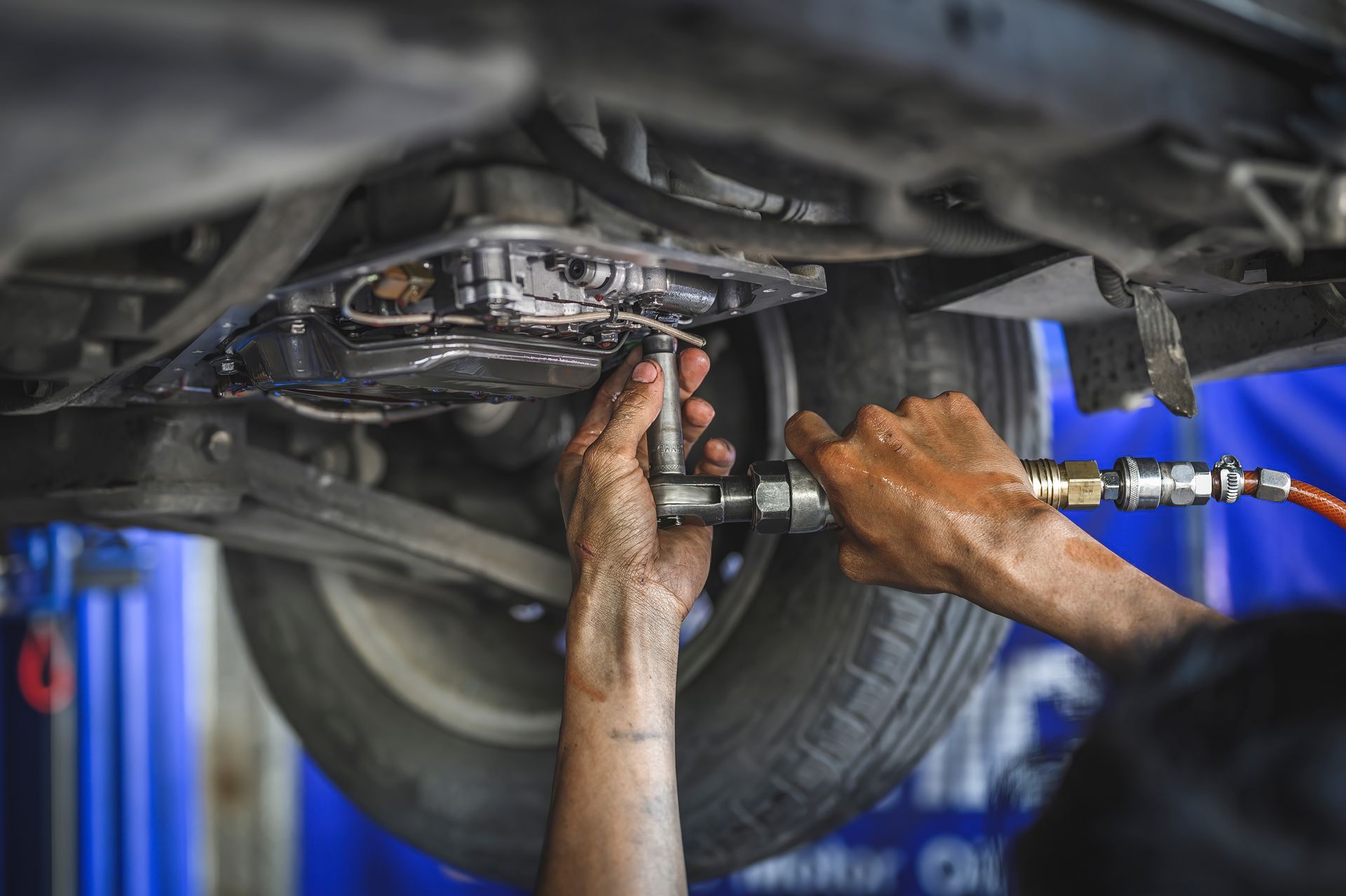
Transmission fluid plays an essential role in keeping your vehicle shifting smoothly and operating as intended. At BMS Lube and Maintenance in Salem, OR, transmission fluid change and maintenance services are performed to support the internal components that manage power transfer from the engine to the wheels. Transmission systems rely on clean, properly conditioned fluid to reduce friction, cool internal parts, and assist in smooth gear transitions. When that fluid breaks down, becomes contaminated, or falls below recommended levels, shifting quality can decline and long-term wear may accelerate.
Whether your vehicle uses an automatic, CVT, or manual transmission, maintaining correct fluid condition helps protect the system from unnecessary strain. Dirty or degraded transmission fluid may thicken over time and lose its ability to lubricate internal parts. Without consistent maintenance, drivers may notice delayed shifting, harsher transitions, or vibrations during acceleration. Since transmissions contain multiple moving components operating under heat and pressure, fluid condition remains one of the most important routine service factors for reliable operation.
Why Transmission Fluid Maintenance Matters
Transmission fluid does much more than simply lubricate gears. It also carries heat away from internal components, supports pressure conditions that allow shifting to occur, and provides a cushioning barrier between gears and bearings. When fluid deteriorates from age, heat, or extended use, these capabilities begin to decline. Vehicles driven through stop-and-go traffic in Salem, OR, or used for towing or hauling, can experience faster fluid breakdown, making maintenance especially important for local driving demands.
Fresh, clean transmission fluid helps maintain smoother shifting and reduces the likelihood of internal wear caused by contaminated or low fluid. Scheduling maintenance at appropriate intervals ensures that small changes in fluid condition do not go unnoticed and that the system continues to respond predictably. Keeping track of service history also gives drivers clearer expectations about when to schedule the next appointment based on mileage, usage, and manufacturer recommendations.
How Transmission Fluid Supports Performance
Lubrication for Internal Components
- Moving parts are coated to reduce friction and heat buildup during operation.
Cooling Effect
- Fluid absorbs and disperses heat generated while the transmission is shifting.
Hydraulic Pressure Support
- Automatic and CVT systems rely on fluid pressure to engage gears smoothly.
Contaminant Control
- Clean fluid helps carry particles away from sensitive components before buildup occurs.
Transmission Fluid Change Services
A transmission fluid change replaces old fluid with new fluid that meets manufacturer specifications. This process restores the fluid’s ability to deliver consistent lubrication and hydraulic support. Over time, fluid can collect metal particles, moisture, and debris that limit its effectiveness and contribute to wear. Replacing fluid at proper intervals helps maintain stable operation and preserves shifting quality throughout the life of the transmission.
During a transmission fluid change at BMS Lube and Maintenance, technicians follow a structured process to remove used fluid, refill to the correct level, and confirm proper circulation. Depending on vehicle design, access methods may differ, but the goal remains the same: provide clean fluid that supports continued performance.
What Happens During a Transmission Fluid Change
Removal of Worn Fluid
- Used transmission fluid is drained so degraded material no longer circulates.
Refill with New Fluid
- Fresh fluid is added to support lubrication, cooling, and hydraulic function.
Filter Service Where Applicable
- Vehicles with replaceable transmission filters may require filter changes during service.
Level and Condition Check
- Technicians verify proper fluid level and ensure the correct specification is used.
Basic Operational Verification
- The system is checked to confirm smooth engagement after service completion.
Transmission Fluid Maintenance for Different Vehicle Types
Not every transmission uses the same type of fluid or requires maintenance in the same way. Automatic and CVT transmissions often demand fluid that supports hydraulic pressure and temperature stability, while manual transmissions rely on lubricants that protect gears and bearings under direct mechanical force. Diesel trucks, all-wheel-drive vehicles, and performance-focused cars may require specialized fluids for consistent operation under heavier loads or higher temperatures.
At BMS Lube and Maintenance in Salem, OR, transmission fluid maintenance is tailored to the vehicle specifications and the way it is used. Identifying the correct fluid type remains a priority, as incorrect fluid selection may interfere with shifting quality or accelerate wear.
Fluid Types and Usage Considerations
Automatic Transmission Fluid
- Designed for hydraulic systems that assist shifting under varying conditions.
CVT Fluid
- Formulated for belt-driven systems requiring smooth power transfer without gear changes.
Manual Transmission Lubricant
- Protects gears and bearings during direct engagement and frequent mechanical contact.
Heavy-Duty Transmission Fluid
- Supports diesel and work vehicles operating under increased stress and load.
When to Schedule Transmission Fluid Change and Maintenance
Transmission fluid change frequency depends on several factors, including mileage, fluid type, driving patterns, and manufacturer guidance. Vehicles with higher mileage, frequent towing, extended idling, or regular travel through congested traffic often benefit from shorter maintenance intervals. Drivers in Salem, OR may experience a wide range of conditions throughout the year, which makes tracking mileage and monitoring shifting performance important for timely service.
Because transmission systems often show subtle changes before noticeable issues appear, scheduling maintenance consistently helps prevent unexpected concerns. If shifting becomes less responsive, gears hesitate before engaging, or you notice a burning smell during longer drives, it may be time to schedule attention even if you have not reached the expected mileage interval.
Factors That Influence Timing
Mileage and Driving Intensity
- Higher mileage or frequent heavy use increases the rate at which fluid breaks down.
Operating Environment
- Stop-and-go travel and temperature fluctuations may accelerate fluid wear.
Fluid Condition
- Discoloration, unusual odors, or thickening indicate the need for replacement.
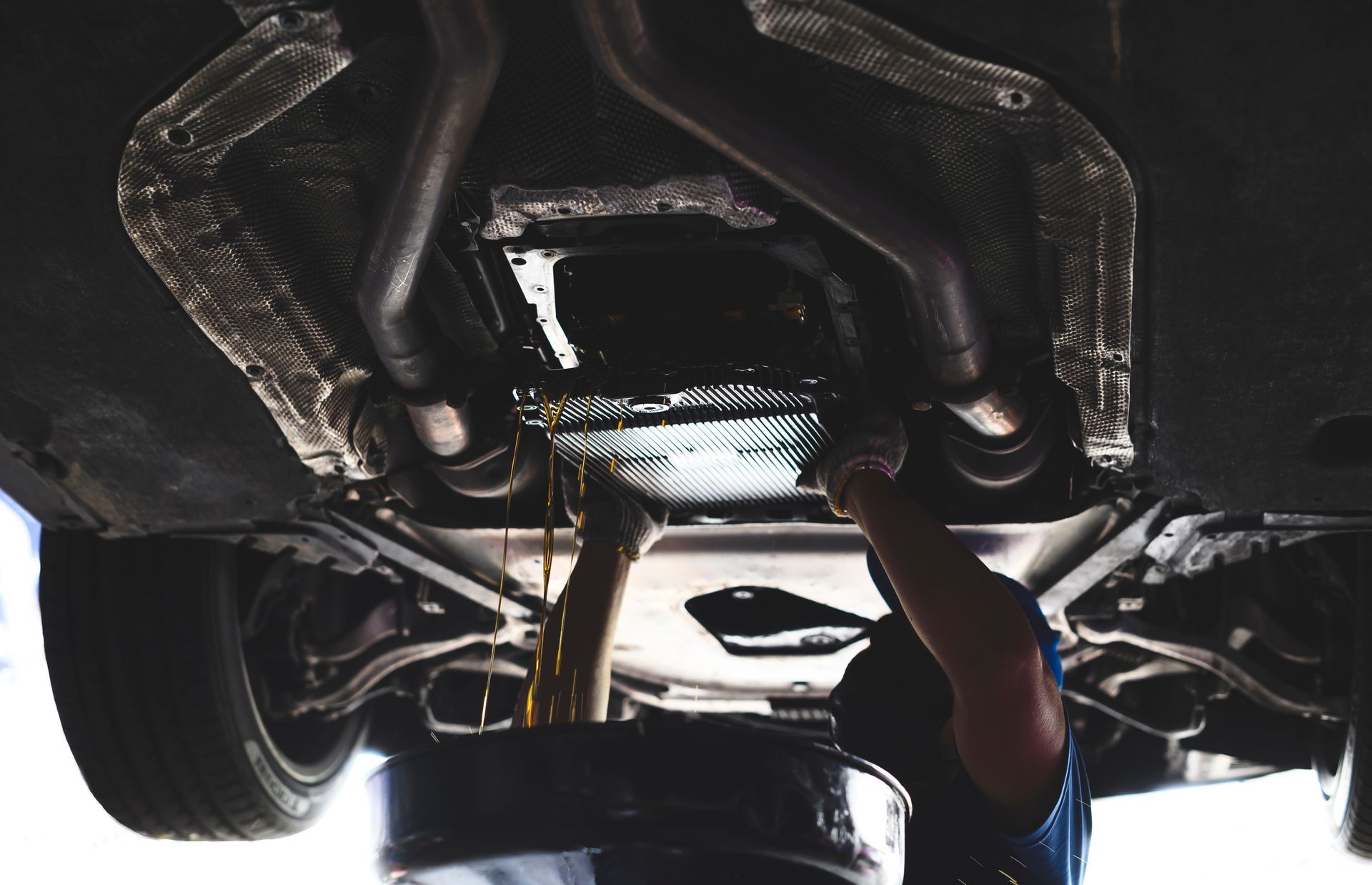
Schedule Transmission Fluid Change & Maintenance in Salem, OR
Keeping your transmission fluid clean and properly maintained supports smooth shifting and consistent vehicle performance. At BMS Lube and Maintenance, transmission fluid change and maintenance services help keep your vehicle prepared for everyday driving conditions throughout Salem, OR. When your mileage reaches the recommended interval or shifting feels less stable, scheduling an appointment can help protect your transmission and maintain dependable operation.
Drivers bring their vehicles to BMS Lube and Maintenance for routine fluid services that support long-term reliability. When you are ready for your next transmission appointment, reach out to schedule a visit and keep your vehicle operating smoothly mile after mile.